
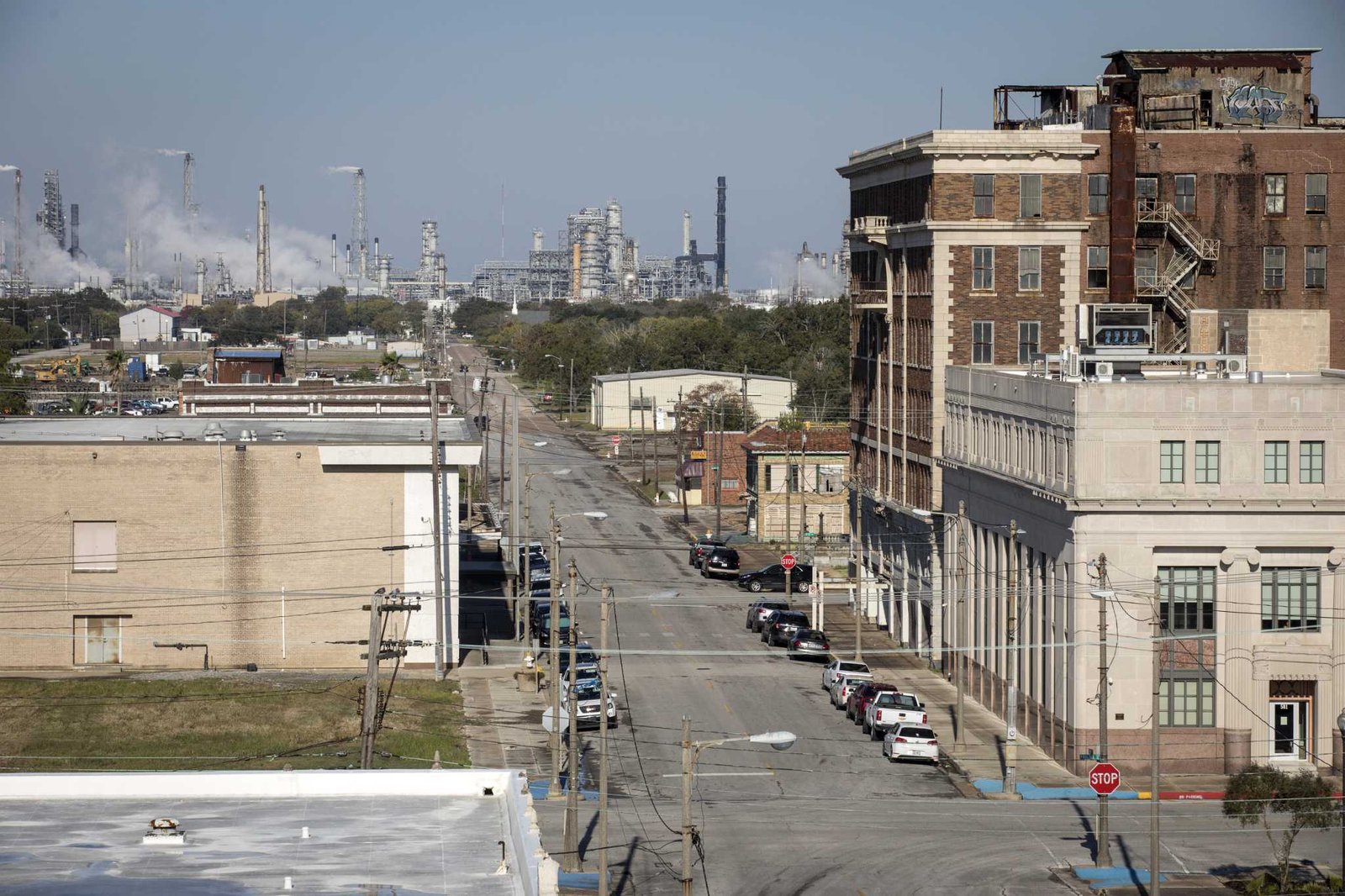

Large-scale gas liquefaction, refining and flood protection projects around Port Arthur are creating steady work for concrete, utility and earthwork contractors, and our role is the foundations, haul roads, laydown surfaces, duct banks and drainage that allow bigger trades to do their work on time. We take on pours, trenches and grading packages of every size.
The scale is visible in public statements. A September 2025 trade report said the developer of a liquefied natural gas project in Port Arthur reached a final investment decision on Phase 2, with nameplate capacity of approximately 13 million tons per year, two liquefaction trains and one storage tank, incremental capital cost of about US$12 billion plus roughly US$2 billion for shared common facilities, and commercial operations expected in 2030 and 2031. The federal energy agency's January 2026 refinery rankings list the largest refinery in the nation in Port Arthur at 656,400 barrels per calendar day, with a second Port Arthur refinery at 385,000.
Where projects of that size are active, subcontractors fill in the foundations, civil packages and maintenance work that surround them.
Flood protection joins the industrial list
A trade report dated April 24, 2025 says the Army Corps of Engineers Galveston District awarded a $403.9 million design-build contract for Port Arthur flood protection under the Sabine Pass to Galveston Bay program, covering 9,525 feet of floodwall replacements and 2,300 feet of levee raises, with construction expected to begin in summer 2026 and take about three and a half years. Large public works compete with industrial owners for labor, equipment, ready-mix and fill, and that competition affects prices and availability.
Private owners should plan accordingly: book concrete suppliers early, lock in fill sources, and confirm that crews will be available. Municipal and public works owners face the same resource constraints, and we coordinate schedules with them where the work overlaps.
Starting with water and the soil report
On Port Arthur sites we start by reading the geotechnical report and the drainage plan together, since the soil and the water control everything. Where the report calls for lime or cement treatment, we schedule it for the driest part of the forecast and protect the finished surface. Where it calls for select fill, we test the borrow source and place the material in lifts that the compaction equipment can actually reach.
Concrete follows the same discipline. We set truck spacing to the finishers, cut joints on time and cure every surface. Foundations for equipment are poured with the anchor bolt templates checked by survey, and grout space and tolerances are verified before the equipment contractor arrives. Hot-weather placement follows our hot and windy weather concrete practice, with early starts, cooled mixes where approved and prompt curing.
The work between the big packages
Heavy construction needs a lot of ordinary site work. Before a major package starts, contractors need haul roads, laydown yards, parking for craft workers, temporary drainage and construction utilities. We build those with geotextile, aggregate or concrete as the duration and loads demand, and we maintain them through the wet season. After the main work is done, many of those surfaces are replaced by permanent paving.
For owners, we pour pump pads, pipe support foundations, equipment pads and concrete foundations, and install the underground fire water, sanitary and storm systems. We also handle lime and cement soil treatment where soft clay needs help carrying a road or pad.
High water, soft soil and tight tolerances
The National Weather Service lists Port Arthur and Groves among the hardest hit areas in Jefferson County during Hurricane Harvey, when widespread storm total rainfall of over 40 inches flooded over 64,000 homes in the county and several refineries took on floodwaters and stayed offline for an extended period. Plants since then have invested in drainage, elevated electrical gear and dikes, and our work often includes those improvements.
Soil is a challenge as well. Coastal clay and silt hold water, and heavy equipment can ruin a subgrade in a single rainy day. We protect treated surfaces, limit traffic on completed pads and use crane mats or aggregate working platforms under heavy lifts. The sooner water leaves the site, the sooner the next trade can work.
Matching a project that moves in phases
Big energy projects move in phases: site prep, foundations, mechanical erection and commissioning, and each phase has its own demands on concrete and civil work. A phase that slips ripples through everything after it. We build float into our sequence, keep material orders ahead of need and report progress against the master schedule weekly.
Owners with work in Beaumont or at the Freeport industrial area can ask us to align crew assignments across sites so that one project's slip does not strand a crew.
Many trades, one narrow site
On a project with thousands of workers, the biggest risks come from interfaces: cranes and haul trucks, open trenches beside walkways, hot work near fuel. We prepare daily plans with the general contractor, mark underground utilities, use spotters and keep excavations barricaded. Competent persons inspect trenches and shoring daily.
We also train our trade partners for owner-specific requirements, from badging to permit-to-work systems, and we do not start until the paperwork is complete. Work at the Gulf Coast LNG and petrochemical corridor shares those standards.
Competing for resources in a busy market
With large projects active, prices for labor, ready-mix and aggregate can move. We watch the market and tell owners honestly when a quote has a short validity period. Escalation clauses, early material purchase and clear scope definition are all ways to protect the budget.
The other cost driver is the unexpected: buried obstructions, contaminated soil and wet weather. We encourage owners to hold an allowance and we document conditions with photos and survey so any change is easy to agree on.
Bring us your Port Arthur job
Send the foundation package, the laydown plan and the schedule drivers. We will propose a plan for earthwork, concrete and utilities that fits a flood-conscious, high-traffic site.
Common Questions
How will large public projects affect my schedule?
They compete for crews, trucks and materials, so lead times may be longer than usual. We recommend booking concrete, reinforcing and fill early and keeping the schedule flexible for weather.
Do you build temporary roads and laydown areas?
Yes. We design and build them to the loads they will carry, with drainage and maintenance, and we remove or convert them at the end of the project.
What do you do about flooded ground?
We pump the site, protect the subgrade, and wait until it can be recompacted and tested. The engineer decides whether wet soil must be removed or can be dried and reused.
Can you take on small maintenance pours?
Yes. Maintenance and small expansion projects are a regular part of our work, and our trade partners are set up for quick mobilization.
How do you coordinate with other trades?
We attend scheduling meetings, share our three-week lookahead, and communicate directly with the superintendents of adjacent trades about access and sequence.