
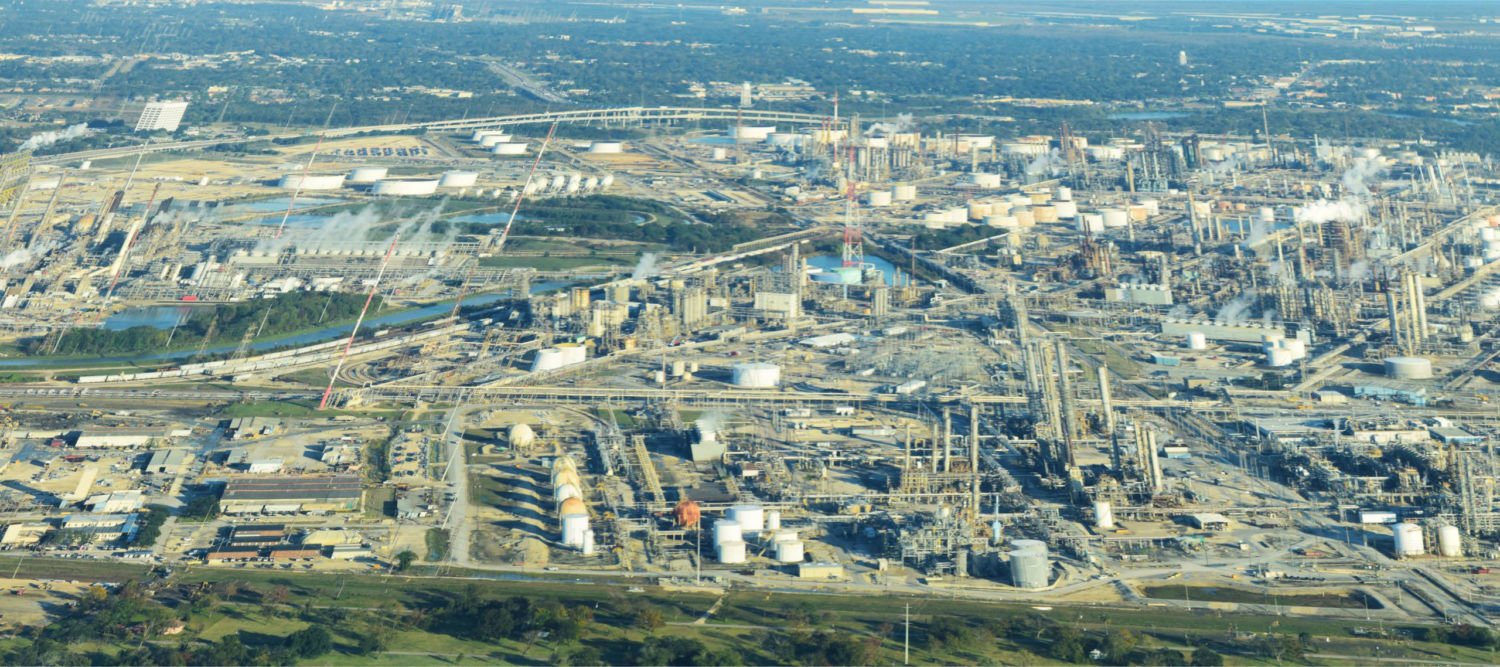

From Sabine Pass to Corpus Christi, liquefied natural gas and petrochemical projects are driving a generation of foundations, paving and underground construction, and the owners and builders behind them need local contractors who can line up concrete crews, pipe crews and grading equipment without delay. We schedule, coordinate, supervise and inspect the trade partners who pour mats, pedestals, pads and roads and install the underground work that connects them.
The pipeline of projects is public. A trade report in September 2025 described a final investment decision on a second phase of an LNG terminal in Port Arthur, with capacity of approximately 13 million tons per year, incremental capital cost estimated at US$12 billion plus about US$2 billion for shared facilities, and operations expected in 2030 and 2031. The U.S. Energy Information Administration reported in April 2026 that Golden Pass LNG achieved first LNG production in March 2026 and shipped its first cargo on April 22, 2026, with three trains of 0.7 Bcf/d nominal capacity each, Train 2 expected in the second half of 2026 and Train 3 in the first half of 2027.
A June 2025 report noted a positive final investment decision on two midscale trains next to an expansion near Corpus Christi, with site capacity expected to exceed 30 million tons per year later this decade. Each of these is a long program, which means long-term demand for support contractors.
One coast, many programs
Another announcement shows how uneven schedules can be: a federal notice published in July 2025 says that a 2022 explosion took the Brazoria County terminal offline and that the operator's request for a 40-month extension moved the Train 4 construction deadline to December 1, 2031. Regulatory deadlines, financing decisions and weather all shift dates. A contractor in this market should stay flexible and keep multiple jobs in view.
For owners in the area, we serve as a regional partner: Port Arthur, Freeport and Corpus Christi are all within our working range. Our general contractor and construction manager clients use us to cover civil and concrete scopes as their projects progress.
Civil and concrete packages around the main plant
The main plant is built by specialists, but a large share of the work around it is site civil and concrete: roads, laydown yards, parking, construction utilities, drainage, buildings, pipe racks and tank pads. We take these packages in whole or in part, and we are used to working alongside the primary contractor's schedule and safety program.
Foundations are usually the first need. Heavy mat foundations, piers and pedestals set equipment, with embedded plates and bolts placed to tolerance. The cast-in-place structural concrete crews we coordinate handle forming, reinforcing and placement under the structural engineer's drawings and special inspector's oversight.
Crews matched to the scale of a program
Corridor programs need crews that can ramp up without losing quality. We schedule forming, reinforcing, placing and finishing, excavation, pipe and survey trade partners, so scheduling decisions are ours. When a pour moves up by a day, the foremen can move steel crews we coordinate and pumps to match, and we do not wait on a subcontractor's availability.
Equipment suits the scale: large excavators and dozers for mass grading, compaction equipment for engineered fill and tracked pumps for mat pours. The mass grading and concrete pumping and placement teams we coordinate work together to place large foundations in continuous operations, with temperature monitoring for thick sections.
Programs that run for years
When a project runs for five years, labor and material markets shift during it. We negotiate supply for key materials early, keep crews together and cross-train for flexibility. Weather also matters, with hurricane season setting a recurring risk window, so we plan storm shutdown and restart procedures for every site.
Staging is critical. Laydown space is limited, and we coordinate deliveries so that rebar, forms and embeds arrive when needed. A pour is never started until the forms, steel, embeds and inspections are signed off.
Thick mat foundations add one more scheduling item, which is heat. Mass placements generate heat as they cure, so the mix design, placement temperature and monitoring plan are agreed with the engineer in advance, and the cure period is protected on the calendar. Rushing that period to make a milestone tends to cost far more later in cracking and repair.
Permits and specifications on regulated energy sites
Energy facilities carry layered requirements: federal agencies for the terminal itself, the state and counties for roads and drainage, port authorities for waterfront property and the owner's own specifications, which often exceed code. For civil and concrete scopes, the owner or EPC firm usually issues technical specifications that cover mix design, testing, curing, tolerances and documentation. We read them closely during bidding and identify any item that conflicts with the drawings.
Texas commercial code adoption is municipal, based on the International Building Code with local amendments, so we confirm what applies to the non-process buildings. Stormwater permits and inspections are required for large disturbed areas, and we maintain controls through the project.
Large workforces and strict programs
LNG and petrochemical sites run extensive safety programs, with orientation, drug testing, permit systems and audits. We staff for those programs with safety coordinators, trained foremen and documented procedures. Our trade partners arrive prepared for gas monitoring, restricted areas and exclusion zones.
Excavation safety is a common focus. We locate and pothole existing lines, shore or slope trenches, and keep walkways and barricades in good condition. Heat stress controls are in place from late spring through fall.
Pricing in a competitive labor market
With multiple large projects active, craft labor is a limited resource. We recruit, train and retain crews to avoid sudden changes, and we describe in our proposals what assumptions we make about labor and material availability. Price escalation clauses can be reasonable in multi-year work, and we are open to discussing them.
Productivity is also affected by site logistics, badging and weather, so we include realistic production rates rather than best-case numbers. When an owner asks for a faster schedule, we show the cost of added crews and overtime so the decision can be made with real numbers.
Scope your corridor project
Send the foundation package, the laydown plan and the schedule drivers. We will propose concrete, earthwork and utility crews to match the pace of a coastal energy build.
Common Questions
Do you work for the main contractor or the owner?
Either. We are often a subcontractor to a general contractor or EPC firm, and we also contract directly with owners for site civil and maintenance work.
How do you handle hurricane season?
We write a storm plan for each site, including securing materials, protecting fresh concrete and restarting after an event. We also avoid scheduling critical pours at peak risk times when possible.
Can you support multi-year programs?
Yes. We organize crews for stable, repeatable work and keep records of procedures and costs so that later phases can be priced consistently.
What documentation do you provide?
Pour logs, test results, survey checks, inspection records and safety documentation, delivered in the format the project requires.