

About Concrete Contractors of Texas

Commercial concrete across Texas

Concrete Contractors of Texas Concrete Contractors of Texas

How We Work

Texas does not pour one kind of concrete. A slab in Frisco sits on expansive clay that swells and shrinks with every wet and dry spell, a slab in Houston sits on gumbo and a water table that never really leaves, a pad near Midland is cut into caliche, and a floor in the Rio Grande Valley rests on sand that drains faster than the mix can bleed. Concrete Contractors of Texas is built around that fact. We are a statewide concrete, site utilities and earthwork contractor, and we start every job with the soil report and finish it with the cure, knowing that the region changes everything in between.

What we build, from the ground up

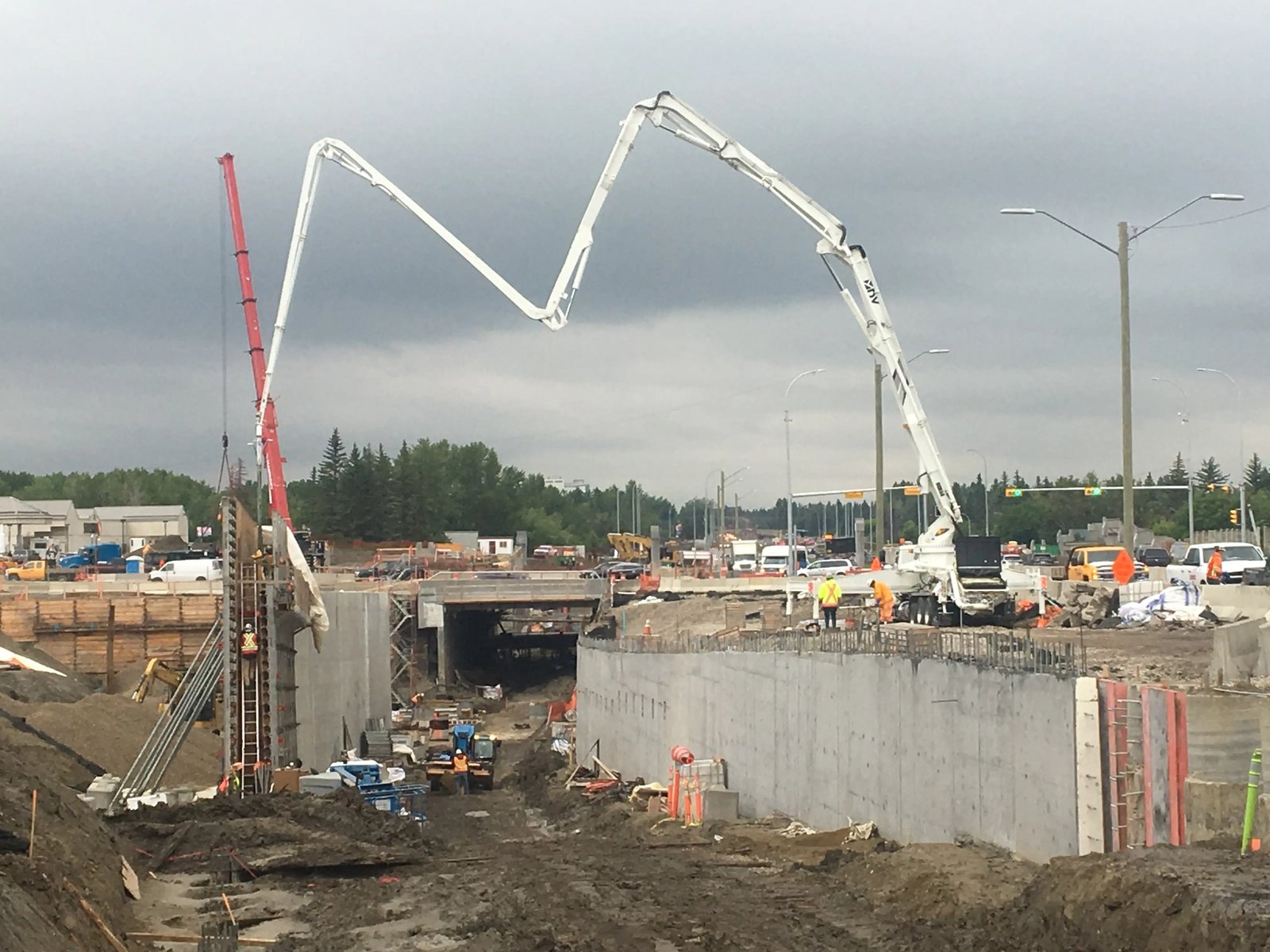
Our work falls into three connected groups, and most of our projects touch all three. The first is concrete: footings and stem walls, slab on grade, industrial floors, tilt-up panels, paving, flatwork, curb and gutter, dock aprons, equipment pads and structural cast-in-place work. The second is underground utilities: water mains, sanitary sewer, storm drain, fire lines and hydrants, electrical duct banks and conduit trenching. The third is earthwork: clearing, mass grading, excavation, over-excavation and recompaction, engineered fill, soil treatment and the haul-off that goes with all of it.

Keeping those three groups under one roof is a practical decision, not a slogan. A concrete slab is only as good as the pad beneath it, and a pad is only as good as the utilities that were trenched, bedded and compacted before it was built. When one contractor owns the grade, the pipe and the pour, the handoffs that usually cause delays and finger pointing happen inside one team. Our site utilities work is sequenced so that the sleeves, stub-ups and trench backfill are finished and tested before a finisher ever walks onto the building pad.

We also take on the specialty surfaces that depend on discipline in the field. Post-tensioned foundations are common wherever clay is a problem, and our trade partners handle the layout, tendon placement, stressing coordination and inspection windows that a post-tensioned slab demands. For retail, education and light industrial owners who want a durable finished surface without a topping or coating, we deliver polished concrete floors, where the result is decided by placement, finishing and curing long before any diamond tooling touches the surface.

Why the soil report comes first

Our point of view is simple. We read the geotechnical report before we price the work, and we expect the rest of the team to do the same. A plasticity index in the report tells us how much a building pad can move. A recommendation for lime or cement treatment tells us how much soil conditioning the subgrade needs. A groundwater reading tells us whether we should be planning dewatering before the first trench is opened. Public research on expansive clays in Texas treats potential vertical rise as something calculated from soil properties, and we treat it as a number to design around, not a surprise after the slab cracks.

That mindset shapes the details that rarely show up in a proposal summary. Subgrade moisture is conditioned and verified before steel goes in. Joint spacing is laid out against the slab geometry and the expected shrinkage, not copied from the last job. Curing compound or wet curing is chosen for the weather on the day, because a hot and windy pour on the Plains behaves nothing like a cool, humid one on the coast.

How we run a project

We organize every job in the same order, even when the scope is small. Preconstruction comes first: reading the plans and the soil report, checking the takeoff, flagging conflicts between civil, structural and architectural sheets, and building a schedule that respects utility inspections, testing holds and curing time. We would rather raise a question in the bid phase than negotiate a change order in the field.

Site coordination comes next. Texas has no single statewide commercial building code enforced the same way in every city. The statute sets a baseline and each municipality adopts its own amendments by ordinance, so the edition and local amendments in Dallas are not automatically the ones in a smaller town down the highway. We confirm the governing code and the local inspection process on every project instead of assuming. Accessibility follows the same logic: state standards apply, larger projects go through registration and plan review, and ramps, routes and landings are built to the registered drawings.

In the field, we manage the trade sequence as one schedule: excavation, utilities, compaction testing, forming, reinforcing, embeds, placement, finishing, sawing and curing. Quality control is built into the sequence through concrete testing, compaction verification and documented inspections, and closeout is treated as a deliverable with its own checklist, not an afterthought. Safety runs through all of it, including excavation protection, traffic control and utility locating before anything is dug.

Who we build for

Our clients are the people who carry schedule risk. That includes general contractors and construction managers who need a dependable concrete and site package, developers who need pads and infrastructure delivered on a financing timeline, and owners who need work done inside an operating facility without stopping production. We also serve municipal, utility and energy owners who need public work, pads and containment built to specification.

Distribution and industrial development drives a large share of Texas demand, and we shape our approach around it. For logistics and warehouse developers, speed to a dry building pad matters as much as the final floor flatness, so we plan mass grading, utility stub-outs and the truck court paving as a single critical path. Floors for racking and automated material handling carry tight flatness and levelness tolerances, which means disciplined screeding, joint layout and curing from the first pour to the last.

The same attention applies to the buildings themselves. A modern warehouse building needs a heavy slab, a reinforced dock apron, truck courts that hold up under repeated turning loads, and drainage that moves water away from door openings.

Where we work across Texas

We serve the major Texas markets, and each one asks for something different from the ground. In Dallas-Fort Worth, the clay is the first conversation, along with high volumes of tilt-up warehouse and flatwork. Dallas also sits beside the Trinity River, flanked by earthen levees fifty feet tall, a reminder that drainage and flood control are part of almost every site plan in the region. Around Austin and San Antonio, rock and shallow limestone make excavation and trenching a bigger share of the budget.

On the Gulf Coast, Houston is a flat, low-permeability prairie where drainage design drives the entire site. The Houston Ship Channel complex is the nation's largest port for waterborne tonnage, and the port reports planned landside capital investment over the next five years, which keeps demand for heavy-duty pavement, container yard concrete and logistics pads strong. Coastal sites also contend with subsidence and a high water table.

Out west and north, Lubbock and the South Plains are defined by wind. Evaporation, not the calendar, decides when and how a slab is placed and protected, and large processing and industrial investments in the area have raised the bar for floor performance. In the Permian Basin, caliche, drilling traffic and seismic response areas shape pads, access roads and containment work. In the south, the Rio Grande Valley and the border corridor bring sandy soils, brush clearing and fast-moving industrial parks.

That border market gets particular attention. Industrial parks near the river are often sold in raw sections, with no road, no utilities and no finished grade, and the first buyer pays for all three. Our work in the Eagle Pass and Del Rio market centers on exactly that: brush clearing, caliche and clay cuts, building pads, and the water, sewer and storm lines that turn a parcel into something a lender will finance.

Drainage, ponds and the work nobody sees

Some of the most important work on a site is buried or graded flat, and it is the part that fails first when it is rushed. Texas weather swings between drought and flooding, and the state has built its first statewide flood plan from regional plans. Voters have also approved a long-term water infrastructure fund, which signals that drainage and water systems will stay a major source of public work. We build for that reality with storm drain, inlets, culverts, trench drains and the earthwork that holds stormwater on a site. Our pond and basin excavation follows the design volume closely, because a basin that holds ten percent too little can fail the drainage study, and one cut too deep can undermine its own side slopes.

What you can expect from us

If you have a project in any of the markets above, or in a Texas market we have not named, send us the plans, the soil report and the target schedule. We will tell you what we see, what it will take, and where the risks sit.

Common Questions

Do you work anywhere in Texas?

We serve the major Texas markets, from Dallas-Fort Worth and Austin to Houston, San Antonio, the Rio Grande Valley, El Paso, Lubbock and the Permian Basin. The scope and logistics are reviewed project by project, since ready-mix haul distances and soil conditions change from region to region.

Do you handle concrete, utilities and earthwork together?

Yes. We perform concrete, underground utilities and grading and excavation as one coordinated package, so the pad, the pipe and the pour follow one schedule. We can also take on a single scope when that is what the project needs.

What do you need from us to start a bid?

The civil, structural and architectural plans, the geotechnical report if one exists, the target schedule and the site address are the core items. The soil report matters most, because it tells us how much subgrade preparation, soil treatment or dewatering to price.

How do you handle different building codes across Texas cities?

Texas sets a statewide baseline for commercial buildings, but each city can adopt its own amendments and newer code editions. We confirm the governing code and the local inspection process for each project instead of assuming the same rules apply everywhere.

Can you build inside an operating facility?

Yes. We plan sawcutting, demolition, dust control, access and pour sequencing around live operations, and we agree on work windows with the owner before mobilizing.

Plan Your Texas Concrete Project

Send the site, the scope and the target date, and we will set up a review of schedule, permits and inspections.

Request a Project Review

ServicesBuilding TypesIndustriesService AreasAboutContactRequest a Project Review512-645-1886
Call512-645-1886