
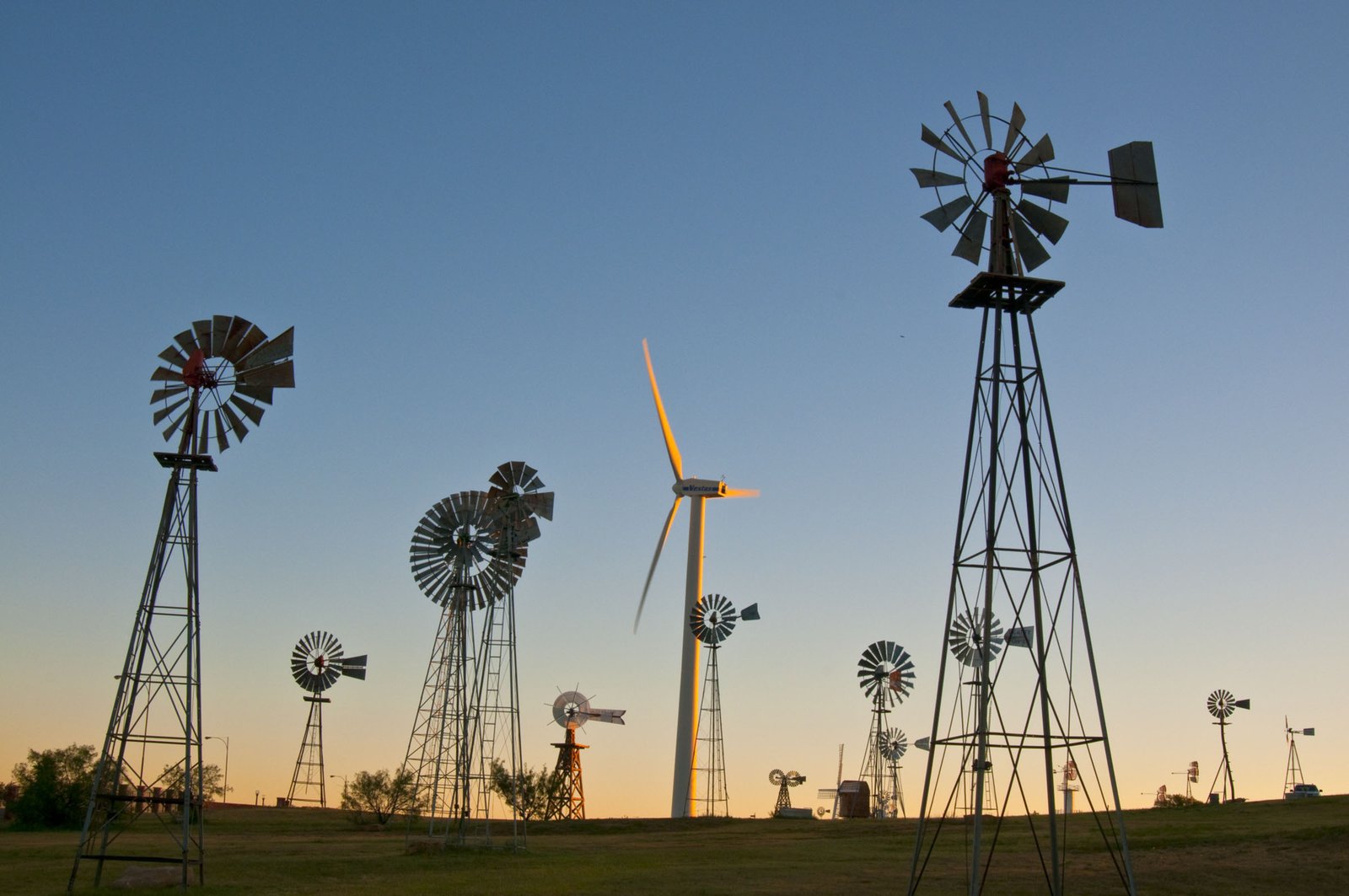

Wind on the South Plains has a clear run across flat ground, and it sets the rules for how a Lubbock contractor places concrete, protects fresh slabs and stages a big job. We build processing plant floors, rail-served industrial pads, business park lots and the underground utilities that serve them, and we plan every pour around evaporation first and the calendar second. The result is flat floors, tight joints and pavements that last under heavy trucks.
The scale of industrial work in the area is visible in public statements. A food manufacturer opened the first phase of an 850,000 square foot facility in East Lubbock, which the local economic development alliance leader described in March 2025 as the largest capital investment in the city's history, at $1 billion and more than 600 jobs. Another announcement from 2022 described a polyethylene pipe maker proposing up to 95 jobs and about $40 million in investment, including a possible second plant at the Lubbock Rail Port. We do not claim those projects, but they show what industrial buyers expect from a site contractor: washdown-ready floors, heavy-haul yards, rail clearance and utilities that match a large load.
The notes below explain how we price and build for that kind of owner, and for the developers who prepare land for them. Each section starts from a real buyer decision, such as how to specify a floor, how to phase a park or what to do when the wind will not let up.
Washdown floors, process pits and trench drains
Food and dairy processing requires floors that can be cleaned with hot water and chemicals every day. We place dense, well-consolidated concrete with sloped surfaces, integral trench drains and sealed joints, and we coordinate with the coating applicator on surface profile and cure time. Process pits, sumps and equipment bases are poured with the rebar and embeds shown on the vendor drawings, and we verify the location of every penetration before closing forms. See our food and beverage processing page for more on these floors.
Cold rooms and freezers use insulated slabs, vapor barriers and underslab heat, and we coordinate the sequence with the refrigeration contractor. A cold slab poured out of sequence is hard to fix, so we discuss the order of work in the preconstruction meeting.
Reese, the rail port and the west-side business parks
In 2025 construction began at East 90 Business Park, a 90-acre site that Reese Technology Center is developing across Research Boulevard from its campus west of Lubbock, with the first phase covering about a third of the property. The project was reported with a $2 million federal Economic Development Administration grant plus $1.5 million from Reese, with first-portion roads and infrastructure expected by the end of fall 2025. Business park work of this kind starts with roads, storm drainage, water and sewer, and then lots are prepared for tenants.
We build that infrastructure for developers: land development infrastructure with curb and gutter, inlets, pipe and subgrade. The lot-by-lot work that follows is where our trade partners stay: pad grading, truck courts and building slabs. For rail-served tenants, we leave room for track and coordinate drainage so water does not collect around ties and ballast.
Wind, dust and the cost of evaporation
Evaporation is the first enemy of a fresh slab. On a windy afternoon, bleed water can disappear in minutes and the surface can crust over while the concrete beneath is still plastic. We watch wind speed, temperature and humidity, use fog sprayers and evaporation retarders, and apply curing compound immediately after finishing. In bad conditions we stop. A slab that cracks plastically in its first hour is a lasting problem, and no schedule justifies it.
The National Weather Service rates the May 11, 1970 Lubbock tornado F5, with 26 deaths, 250 businesses damaged or destroyed and damage across 15 square miles. We mention it not for drama but because it is the reason many owners ask for robust slab edges, anchor bolt details and storm-hardened construction. We follow the engineer's design on those details and verify embed locations and anchor bolt projections before every pour.
Roads under construction and how trucks arrive
On Loop 88, TxDOT is rebuilding roughly 12.4 miles west of US 84, turning a two-lane rural road into an access-controlled six-lane divided freeway with frontage roads; sections 3A and 3B finished in April 2026 and construction on section 3C is scheduled for fall 2026. Owners near the loop should expect changing access and frontage. We check the current project schedule, confirm driveway locations and plan haul routes so concrete trucks do not arrive at a closed ramp.
We build a week-by-week look-ahead for each project and share it with the owner and general contractor. Concrete orders are placed early, and we confirm batch plant capacity for large pours.
Pipe, pavement and drainage for large buildings
Large plants produce large volumes of stormwater and process wastewater. We install sanitary sewer, storm drains and water lines in the same trench plan, with manholes and cleanouts set to final grade. Concrete paving for truck courts uses dowelled joints and edge thickening, and we cut and seal joints on a schedule that prevents random cracking.
Where the owner needs a detention basin or a drainage channel, we coordinate the earthwork to the design volume and stabilize slopes before the first rain.
Processors, manufacturers and park developers
Agriculture and dairy operations, industrial and manufacturing owners and commercial developers make up most of our Lubbock customers. They share a need for flat, durable concrete and for predictable schedules.
Owners with plants in Amarillo or on the Permian Basin can use the same estimating process for every site, so budgets are comparable across the state.
Send plans for the plant or park
We will price the floor, the pavement and the utilities and list the assumptions.
Common Questions
How do you control cracking in windy conditions?
We use windbreaks, fog, evaporation retarders and prompt curing, and we saw-cut joints early. If conditions exceed what those measures can control, we postpone the pour.
Can you build a floor that can be washed down daily?
Yes. We place dense concrete with sloped surfaces to trench drains, sealed joints and a finish suited to the coating system. We coordinate with the coating contractor on cure times.
Do you build roads and utilities for business parks?
Yes. We build streets, curb and gutter, storm drains, water and sewer to the engineer's plans and the city's standards, and we test and document the work.
How do you plan for rail on an industrial lot?
We reserve a corridor, grade for the track subgrade and avoid putting utilities where the track will go. The railroad or the owner's track contractor sets the final requirements.
What are the biggest cost variables?
Slab thickness and reinforcement, the length of utility runs, the amount of pavement and the number of embedded items. We show each in the proposal.