
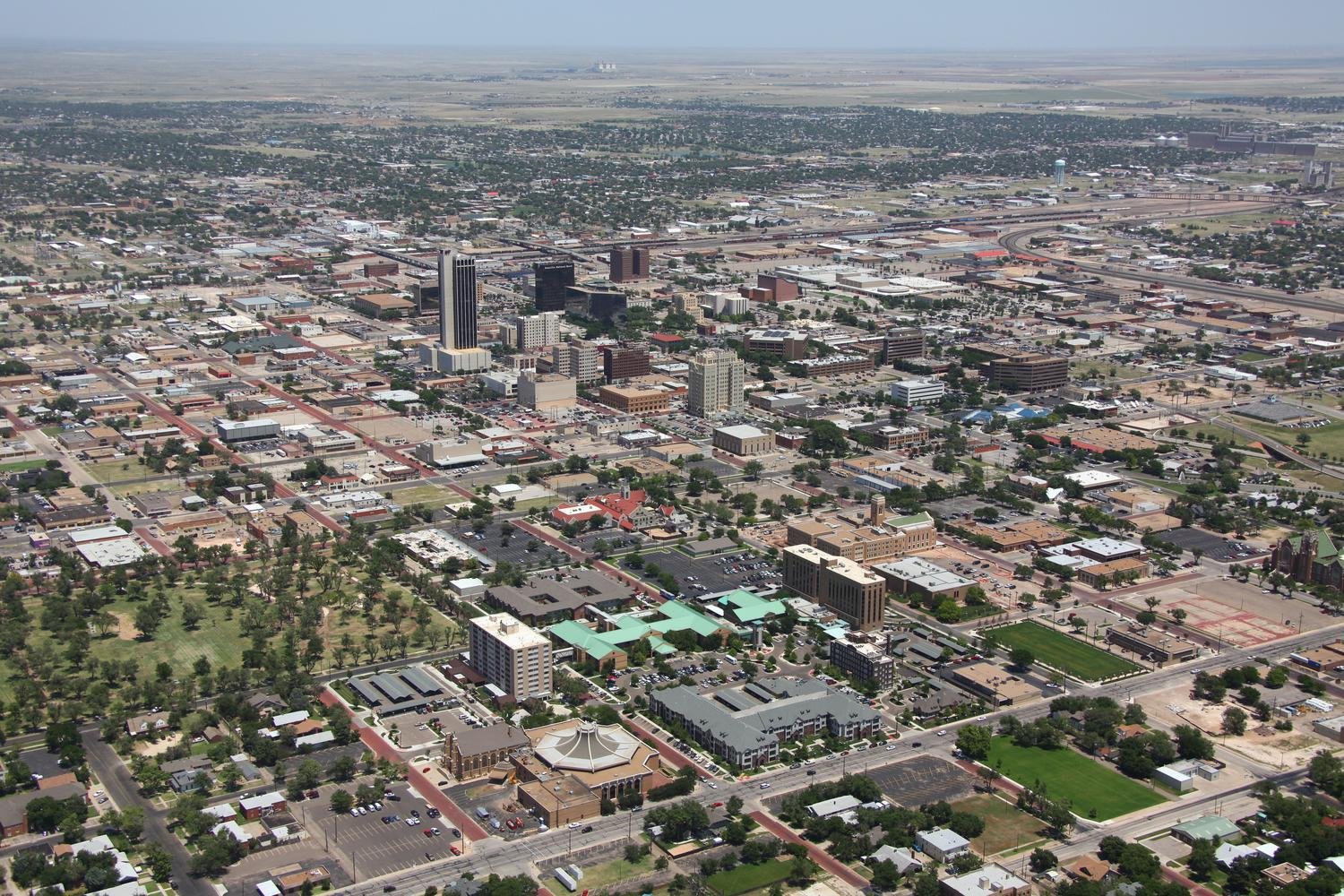

Concrete placed in Amarillo has to survive wind that recorded an 83 mph gust at the airport on March 14, 2025, according to the National Weather Service, in a day when blowing dust cut visibility below a quarter mile. That sets the tone for construction on the High Plains: we plan every pour, every stockpile and every open trench around wind, and we build secure, heavy-duty industrial sites for owners who cannot afford downtime or quality escapes.
The area has several sources of large-scale work. Pantex site leadership said in July 2024 that employment had grown from a little over 3,000 to upwards of 4,600 amid a 70 percent increase in workload, with a 25-year master plan that includes reconstructing 250 buildings on site. A private power and AI campus described on its own website as 17 gigawatts on about 8,400 acres next to the same complex, with the first phase in Carson County, is at an early stage, and the company site says about 6 gigawatts are already permitted. These are announcements, not our contracts, and projects of that size change. What they signal is a need for site contractors who can handle heavy foundations, security-sensitive access and large-scale earthwork.
We take the same approach whether the project is an acre or a thousand: understand the ground, plan around the wind and document everything.
Wind and blowing dust on an active site
Dust is a safety issue and a quality issue. Fine silt in the air can contaminate fresh concrete surfaces and reduce visibility on haul roads. We water haul roads, limit open ground, stabilize stockpiles and schedule earthmoving to avoid the windiest hours. When a wind event arrives, we cover reinforcing steel, protect fresh slabs and secure materials.
Wind also affects concrete finishing. High winds and low humidity can dry the surface before it is finished, leading to plastic shrinkage cracking. We use fog sprayers, windbreaks and evaporation retarders, and we apply curing compound at once. Our hot and windy weather concrete procedures are written out in the preconstruction plan so everyone knows the limits.
Foundations, floors and pavements for process buildings
Industrial plants in Amarillo need heavy foundations for equipment, tank pads, process floors and heavy-haul pavement. We form and place equipment pads and machine foundations with the reinforcement and embeds on the vendor drawings, and we check every anchor bolt location before the pour. Floors with forklifts or heavy carts get joint patterns that avoid wheel paths on joint edges.
For a manufacturer adding a small process building, such as a $10 million facility of about 13,000 square feet that the economic development corporation approved an incentive for in 2024, the bulk of the cost may sit in the process systems rather than the shell, and the concrete work must match them exactly. We coordinate with the equipment supplier and the mechanical contractor so pits, trenches and sleeves are in the right place.
Secure sites, badges and documentation
Work on or near a secure federal complex requires credentials, vehicle checks and sometimes escorts. We ask for the access rules during bidding so the price reflects the time spent at gates. Material deliveries may need advance notice and inspection, and we schedule concrete trucks so they arrive at the right gate in the right window.
We also keep careful records. Test reports, pour logs, inspection sign-offs and as-built drawings are organized so an owner or an auditor can follow the work. Texas accessibility registration is needed for projects of $50,000 or more, and we coordinate ramps and routes with the owner's design team.
Mass grading and utilities for large tracts
Large power or industrial campuses start with rough grading, drainage and temporary roads. We use GPS-guided dozers and motor graders for mass grading, and compaction equipment with moisture control for fills. Utilities, duct banks and equipment pads follow, so concrete and pipe crews can move in as soon as grading is accepted.
We pay attention to haul distance and balance. On a large site, moving soil a short distance costs far less than trucking it off, so we model the earthwork and look for ways to reuse material on site.
Interstates, rail and the logistics side
The Amarillo Economic Development Corporation notes that Interstate 40 runs east-west and I-27 runs north-south through the city, and lists BNSF Railway access and the international airport among the city's logistics assets. For warehouse and distribution developers, those assets mean truck-served lots with room for rail or air cargo in some cases. We build yards and docks sized for the trailer traffic the owner expects.
The warehouse and manufacturing plant crews we coordinate prepare pads, pave truck courts and install utilities for such buildings, and we coordinate with the building contractor on schedule.
Planning a pour season on the High Plains
Winter on the Panhandle is long and cold, and concrete work stops or slows when overnight lows are below freezing. We plan heated enclosures, insulated blankets and accelerated mixes for winter placements, and we move as much earthwork and utility work as possible into the milder months. Summer brings its own limits, with heat and wind that demand early starts and fast curing.
Because suppliers and crews are spread over a large area, we also recommend that owners lock in concrete supply and crew dates early. We confirm batch plant capacity before every large pour and keep a backup supplier lined up in case of a breakdown. A written look-ahead goes to the owner each week so everyone sees what is coming.
Federal-adjacent, energy and food-industry owners
Utilities and energy companies need substation pads and duct banks; industrial and manufacturing owners need floors and yards; food processors need washdown floors and containment. We also work with general contractors who need a local concrete and sitework partner.
Owners with sites in Lubbock or El Paso sometimes ask us to compare costs across regions, and we can provide a consistent scope and price format.
Send the site and access rules
We will price the earthwork, concrete and utilities and list the security and weather assumptions.
Common Questions
How do you manage blowing dust?
We water haul roads, limit exposed ground and stabilize stockpiles. If wind is strong enough to create hazards, we pause earthmoving and secure the site.
Can you work in a secure facility?
Yes, with the necessary credentials and notice. We plan around gate hours and inspection procedures and price the time those take.
What if wind prevents a pour?
We postpone. Our procedures set limits on wind speed and evaporation rate, and we use windbreaks, fog and retarders to keep within them. We would rather lose a day than a slab.
Do you do site grading for large campuses?
Yes. We use GPS-guided equipment and model cut and fill before bidding. Compaction testing is scheduled with an independent lab.
How are costs affected by remote sites?
Mobilization, crew travel and material delivery can add cost. We show those items separately so the owner can see them.