
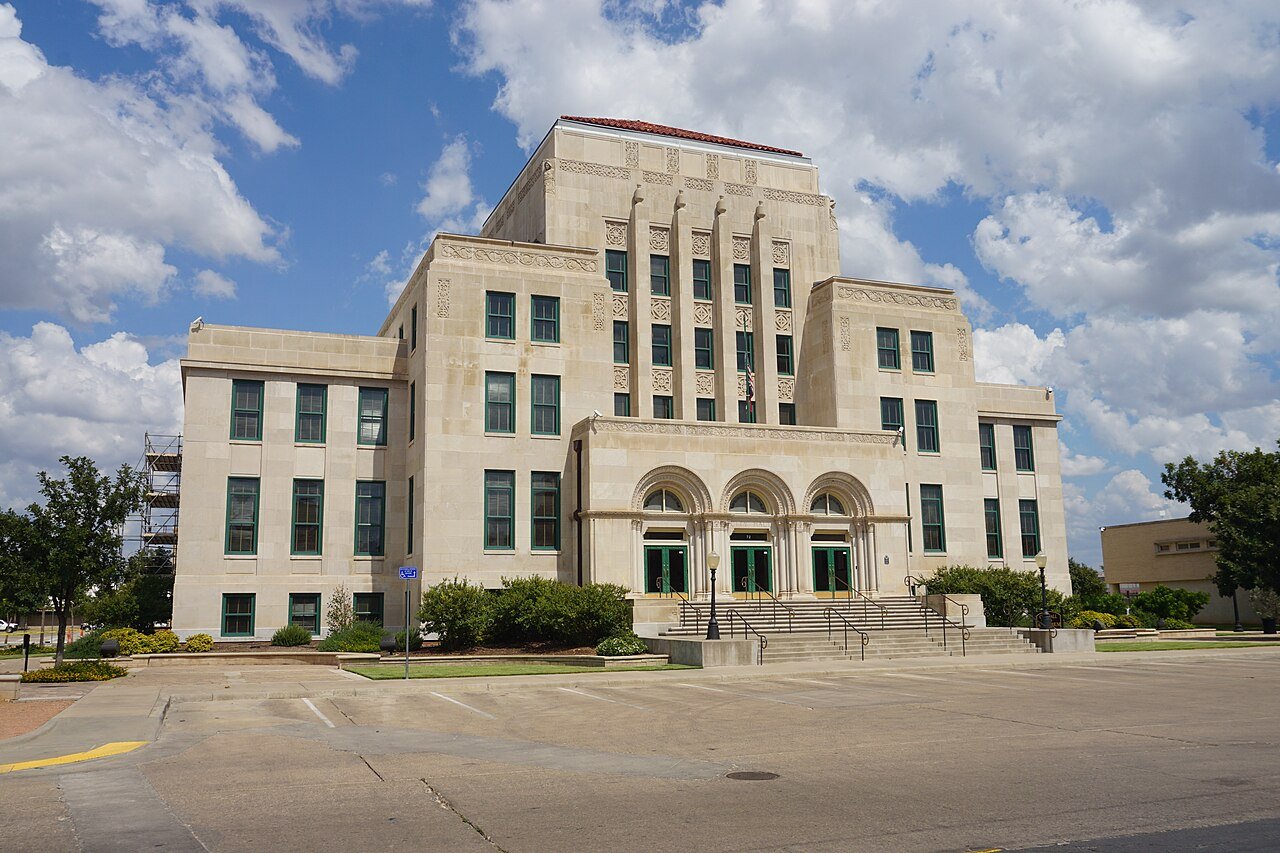

Public owners in San Angelo buy concrete and underground work through bids, and a bid price is only as good as the contractor's understanding of what the ground and the weather will do to it. We build for school districts, municipalities, clinics and commercial owners in the Concho Valley, and we price drainage, subgrade and cure as seriously as we price the slab itself, because a low bid that ignores them turns into change orders.
The weather record explains why. A National Weather Service summary of the May 21, 2020 hailstorm reports hail of 1.75 to 3 inches in diameter during about 90 minutes of a nearly stationary storm, with considerable damage to vehicles and roofs across much of San Angelo and the local Air Force base. Earlier, the September 1936 Concho River flood delivered 11.75 inches of rain on September 15, with the South Concho peaking at 111,000 cubic feet per second, and a local newspaper reported 300 houses destroyed and 700 damaged. Concrete does not break under hail, but the owners who have lived through it ask for durable paving, good drainage and elevated finished floors, and we build to the engineers' designs on those points.
The base shapes the market too: public data show that Goodfellow Air Force Base, which dates to 1940, had 6,567 direct employees in 2025, including 5,516 active-duty personnel, with an estimated $3.8 billion contribution to the Texas economy. We do not imply any work for the base; we point out that its presence supports demand for schools, clinics, retail and housing across the city.
Schools, clinics and municipal buildings
School additions and gymnasiums require slabs, footings, sidewalks and bus lanes. We build sidewalks and flatwork with ADA slopes, detectable warnings and joint layouts that respond to expansion, and we coordinate with the school district on work areas and student safety. Education and school projects often have fixed dates tied to the start of the school year, and we schedule concrete work to meet them.
Clinics and medical offices use thicker floors in imaging suites, sealed concrete in utility rooms and accessible routes from parking to the door. Municipal buildings usually need parking, curb, storm drains and public sidewalks. We price those as separate lines so the public owner can compare unit costs.
Flood plains, creeks and concentrated rain
The 1936 flood record shows how fast the rivers can rise. Most projects today are not in the floodplain, but many touch creeks, drainage channels or low areas that carry runoff. We build storm drain installation and drainage channels to the engineer's plans, set pad elevations above the design water level and protect slopes from erosion until grass is established.
Hail season affects scheduling more than structure. Fresh concrete can be pitted by hail, and we keep plastic sheeting and curing materials ready on site. If a storm arrives mid-pour, we protect the surface and document the event. For exposed aggregate or decorative work, we plan the finishing time to avoid typical afternoon storm hours.
The north relief route and the roads that follow
TxDOT's North Relief Route study covers about 11 miles on new location between US 87 and US 67 north of San Angelo, with three mainlanes in each direction, interchanges at US 87, US 277 and US 67, and a proposed 500-foot right of way for the potential Ports-to-Plains and I-14 corridors. Construction is listed as beginning in 2032 and the schedule is subject to change. It is a long-range project, so we treat it as a reason to check right of way early on any north-side parcel, not as something to build around today.
When owners buy land near a studied corridor, we recommend asking TxDOT for current alignment information. Setbacks, drainage and driveways may be affected years before construction begins.
Public procurement and accessibility requirements
Public work comes with paperwork: bid bonds, prevailing procurement rules, certified payroll in some cases and submittals for every material. We assign a project manager to track submittals and keep the owner's review times in the schedule. Our concrete mix designs, reinforcing steel reports and test results are organized by pour.
The state accessibility program requires registration for projects with an estimated cost of $50,000 or more and plan review before inspection. Smaller projects must still comply. We build ramps, landings, curb cuts and parking to the dimensions on the drawings and field check them before the pour.
How to compare bids fairly
A public bid is easiest to compare when it separates sitework, concrete and utilities and lists the quantities. We provide unit prices for common change items, such as additional excavation, rock, extra pavement thickness and extra rebar, so an owner can approve changes at agreed rates. Our over-excavation and recompaction unit prices are written so the owner pays only for what is found.
Low bids that omit curing, joint sealing or testing look good until the first warranty call. We list what we include and what we exclude so you can see the difference.
Building around school years and storm season
Public owners rarely get to choose their completion dates. A school addition has to be ready when classes start, and a municipal building may be tied to a funding deadline. We work backward from the required date, mark the long-lead items such as reinforcing steel, embeds and precast structures, and tell the owner honestly when a date is at risk.
Spring and early summer bring the heaviest thunderstorms in the Concho Valley, so we try to finish the exposed earthwork and drainage before then. Concrete is scheduled around the forecast, and we keep covers, pumps and silt fence ready. Reporting weather delays with dates and records protects both sides when a contract allows time extensions.
Schools, municipalities and local developers
Schools and healthcare owners and municipal and public works agencies are the center of our San Angelo work, with local commercial developers adding retail and office pads.
We also build in Midland and Abilene, so a district or developer with projects in several cities can use one contractor.
Send the bid documents
We will review the plans and provide a clear price with unit rates for changes.
Common Questions
How do you handle hail during construction?
We keep covers ready, protect fresh slabs and document damage. If hail pits a surface, we assess it with the engineer before deciding whether it needs repair.
Do you bid public work?
Yes. We follow the owner's bid procedures, provide required bonds and insurance and attend pre-bid meetings. Our proposals list inclusions and exclusions clearly.
What if the site is in or near a floodplain?
The engineer sets elevations and the permit conditions. We build to them, protect the work during construction and keep drainage open.
Can you work around a school calendar?
Yes. We plan noisy work, deliveries and access to avoid student hours and bus loops, and we build safe walkways and barriers.