

Building in Georgetown means pairing a clean concrete schedule with careful environmental coordination, and we do both. Our trade partners pour foundations, slabs, sidewalks and paving and install water, sewer and storm lines for county and school owners, retail and office developers, and the builders who serve the city's large residential communities. The roads that feed these sites are Interstate 35, State Highway 29, State Highway 195 and the State Highway 130 toll road.
The city is the Williamson County seat, and public employers dominate the list: the county government employed 1,582, Georgetown ISD 1,550 and the city 670 in the 2023 annual financial report, and the top ten employers totaled 6,302. Public owners buy with sealed bids, bonds and submittals, and we are comfortable with that process. We keep daily quantity records, send test results promptly and prepare pay applications that match the schedule of values.
Whichever the owner, we start with the soil report and the civil plans, then give a proposal that separates earthwork, utilities and concrete.
Environmental review and endangered species
Georgetown's geography section lists five endangered species within the city's area, and a county-wide permit under section 10(a), an Incidental Take Permit, was obtained in October 2008 after local groups formed in the 1990s to help preserve caves that shelter endangered species. We are not biologists, and we do not interpret the permit. What we do is ask owners and engineers early whether a parcel has special review, then plan clearing, blasting or excavation around any conditions that apply.
In practice, this means that a site near a karst feature may need a pause, a survey or a changed layout. A contractor who learns of that after mobilizing loses weeks. We would rather find it on the first walk, so we ask for the environmental reports at bid time and note any restrictions in our schedule.
Lakes, forks and drainage
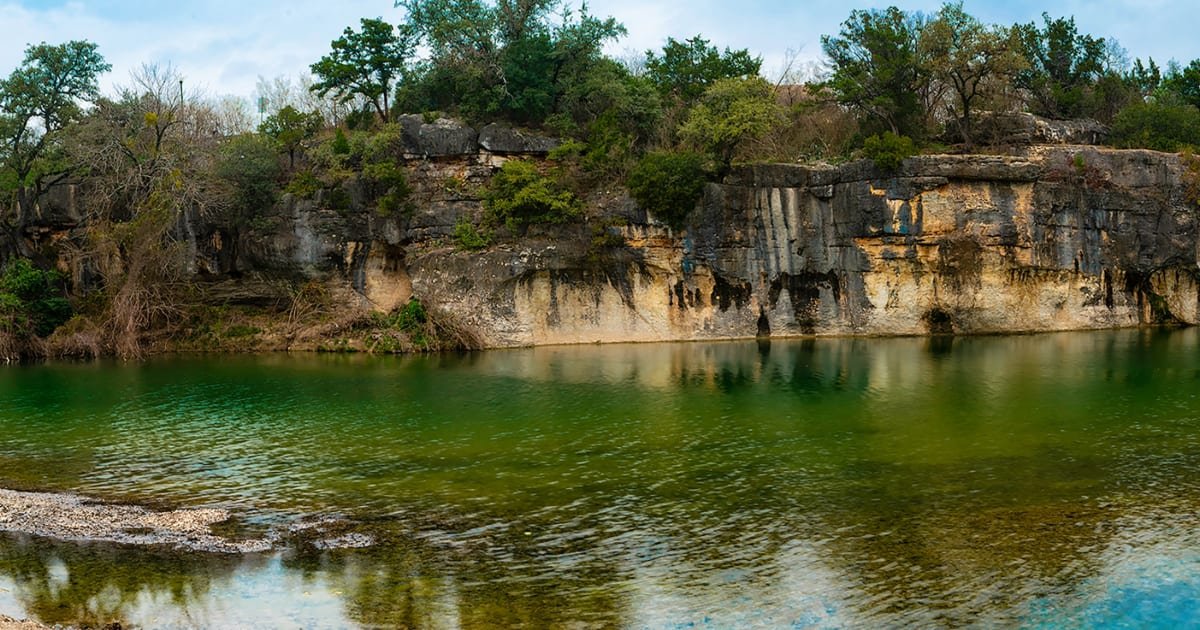
The U.S. Army Corps of Engineers built Lake Georgetown on the north fork of the San Gabriel River, and it formally opened on October 5, 1979; the North and Middle Forks of the San Gabriel both pass through the city. Floodplain mapping therefore touches many parcels. For us, that translates into drainage design review, erosion control that is built before clearing and careful handling of fill near the creek corridors.
Storm sewer, culverts and headwalls are the associated scopes, and the culverts and headwalls and storm drain installation crews we coordinate are used to working in tight right-of-way beside the water.
Schools, county buildings and residential community amenities
The mix of county, school and city employers suggests continuing demand for education and school buildings and for government and municipal facilities. These buildings share a few concrete priorities: accessible routes that pass inspection, durable bus and parking areas, floors that tolerate constant foot traffic and sites that drain cleanly in a hard rain.
An age-restricted community that opened in June 1995 houses about 15,700 people as of 2021, and communities of that kind generate steady amenity and clinic work: clubhouses, activity centers, walking paths, medical offices and roadway improvements. We keep the construction quiet and tidy, with clear hours and protected sidewalks.
Sequence we follow
First, a site walk with the superintendent and the engineer to confirm access, stockpile areas and erosion controls. Second, clearing and grading, with water managed from day one. Third, underground utilities, tested before backfill. Fourth, subgrade and base, proof-rolled and approved. Fifth, formwork, reinforcing and the pour, with cylinders cast for strength verification. Finally, curing and protection until the concrete has reached strength.
The order does not change much from job to job, but the details do. When the soil is clay we spend more time on moisture, and when the site is rocky we plan more for excavation equipment and haul-off.
Delivery and weather planning
Interstate 35 and the SH 130 toll road give Georgetown owners good access, but ready-mix still has to travel. We select plants by drive time to the specific site and reserve trucks for large pours a week ahead. On hot afternoons, we shift large placements to the morning, and on days with heavy rain in the forecast we reschedule early instead of fighting the weather and finishing at midnight.
School and county projects tend to carry hard completion dates, so we build float into the earthwork and utility phases rather than counting on the paving window at the end. If we see a delay coming, we tell the general contractor the same day and show how we plan to recover.
Cost drivers on Georgetown sites
Three items usually move a Georgetown budget. The first is excavation: rock close to the surface, where it occurs, turns a simple trench into a production problem, and we price hard ground separately so owners know what it costs. The second is erosion and stormwater control, which must be installed, inspected and maintained, and which can be a significant line on sites beside creek corridors. The third is the amount of paving and sidewalk on public projects, where accessibility requirements add forming time and inspection.
The excavation and erosion control teams we coordinate work together so that the controls are in place before the first cut. We find that saves money in repairs and in notices of violation.
Working safely near the public
School and county sites are often occupied while we work. We fence the work area, separate construction traffic from buses and pedestrians, use flaggers where required and keep trench shoring and competent-person inspections current. Excavations are covered or barricaded at night, and utility locates are verified before digging. We hold a short safety talk every morning and record who attended.
When a school is in session, we restrict deliveries to times that avoid pickup and drop-off, and we keep the site tidy so students and staff see a clean, organized project.
Nearby markets
We cover the I-35 corridor from Round Rock to Killeen with the same crews, and county-seat owners often combine Georgetown work with other sites in the area. Contact us if you have a program that spans multiple cities.
Tell us about your Georgetown project
Send the plans, soil report and any environmental documents. We will map the schedule risks and give you a clear proposal.
Common Questions
Do you handle environmental permit conditions?
We do not interpret permits, but we build to the conditions the owner and engineer give us. Ask for environmental reports early so we can plan clearing and excavation around any limits.
How do you manage work near creek corridors?
With erosion controls installed first, daily checks in wet weather and fill placed to the grading plan. We avoid stockpiles in flow paths and keep trench lengths short.
What documents do public owners expect from you?
Bonds, insurance certificates, submittals, test reports, schedules and detailed pay applications. We keep these current as the job progresses so closeout is straightforward.
Can you bid unit prices for rock and undercut?
Yes, and we recommend it. Unit prices make field changes transparent and keep the lump sum honest.