
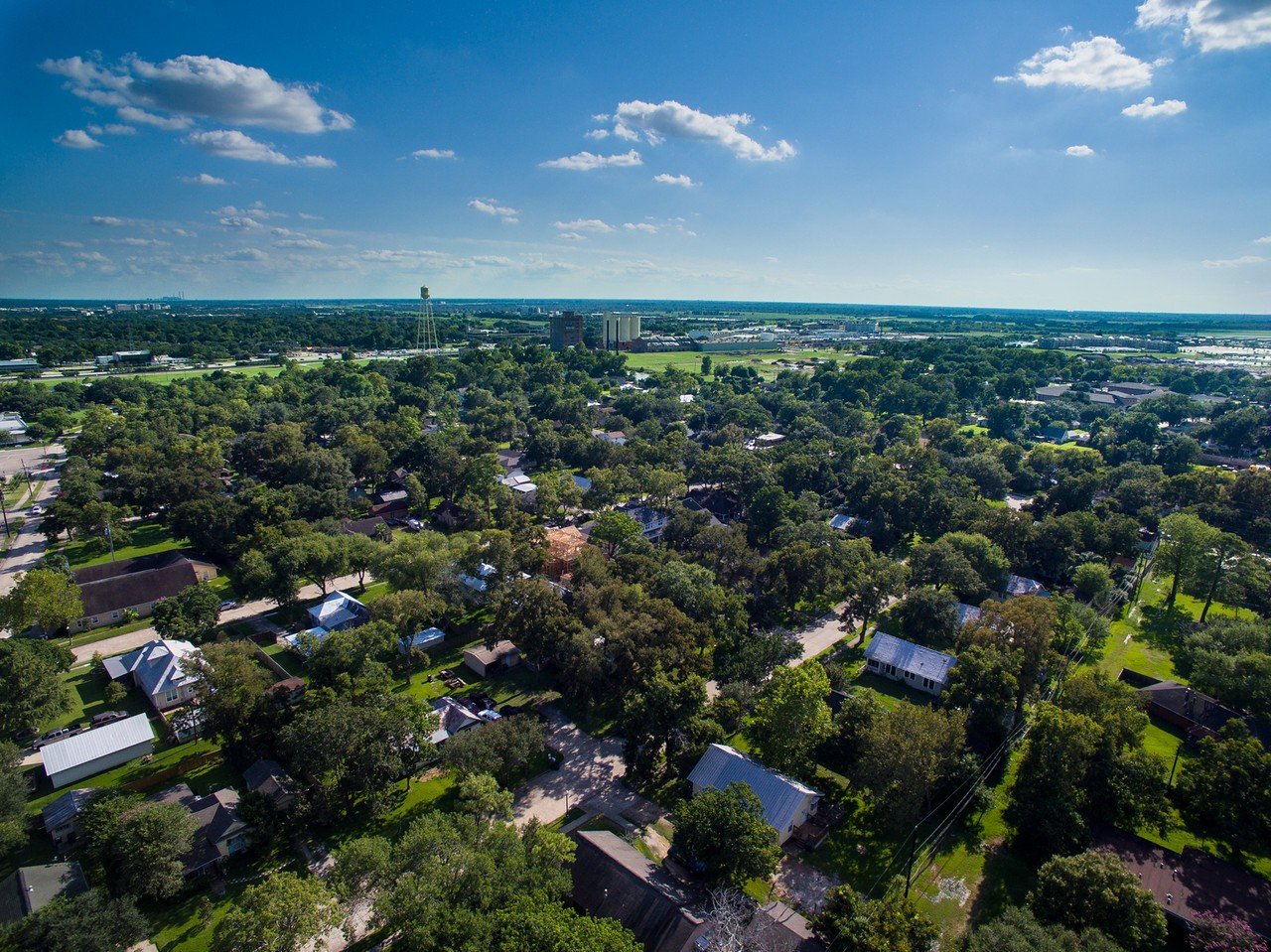
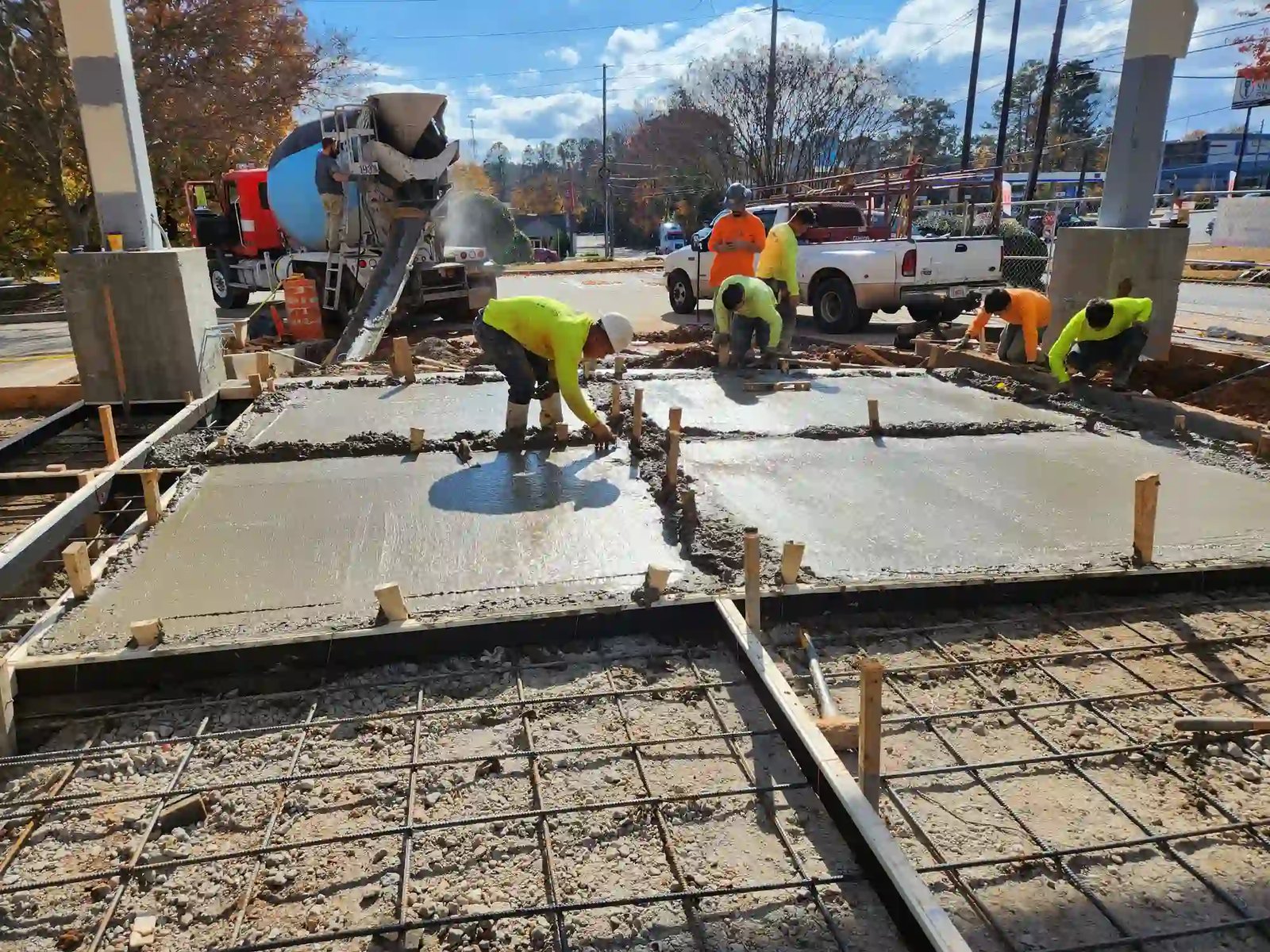
Expansion pours are the heart of what we do in Sugar Land, where a plant or business park grows one building at a time and each addition has to tie cleanly into what is already there. We build slabs, dock aprons, truck courts, utility extensions and drainage for owners, general contractors and developers, and we do it next to operating buildings with as little disruption as the work allows.
One report described a packaging company planning a $50 million expansion at its Sugar Land Business Park location, adding an 83,000-square-foot building and 30 jobs after a prior expansion completed in March 2020 brought the facility to nearly 550,000 square feet. Whatever the details, the pattern is familiar: phased additions beside an existing plant, with deliveries, shipping and production continuing. We do not claim that project, but we know the demands it makes on a contractor.
Before pricing, we read the geotechnical report, walk the existing site and ask how the owner will keep operating. Our proposals separate earthwork, utilities and concrete.
Tying new to old
Adding a building to an existing complex means matching grades, extending utilities without outages and connecting pavements. We survey existing elevations, locate lines by potholing and prepare tie-in details with the engineer. Concrete joints between old and new slabs are connected with drilled and epoxied dowel bars, and we saw and seal them.
Truck circulation is the other puzzle. Dock aprons, turning radii and fire lanes must work with the existing site. The truck courts and dock aprons crews we coordinate keep existing traffic moving by pouring in sections and opening them quickly.
A river at the bridge
The Brazos River is eroding the land under the U.S. 59 bridge in Sugar Land, according to a news report from June 2024, and TxDOT launched a $53 million U.S. 59 Bridge Extension project, a 38-month effort to reconstruct part of the bridge. That affects anyone trucking material along the Southwest Freeway. Delays, lane closures and detours should be planned for, and we choose haul routes and delivery times with that in mind.
The same river explains why site grading matters. Parcels near the Brazos need floodplain review, erosion control and careful treatment of banks and outfalls.
Health care, packaging and business parks
A hospital in Sugar Land is reported to be the city's largest private employer, and only 6 percent of the city's jobs are in manufacturing. That points to a service and health-care economy with a smaller but active industrial base. Healthcare hospital and medical office work calls for night pours, vibration control and phasing, while industrial expansion calls for heavy floors and docks.
We work for commercial developers and owners in both categories and adjust our methods to suit.
Grand Parkway and local approvals
The Grand Parkway Segment D is an existing 17.4-mile, partially controlled-access toll road open since August 31, 1994 from U.S. 59 South (the Southwest Freeway) in Sugar Land north to I-10 West (the Katy Freeway) near Katy. It ties the city to the west-side industrial corridor and gives trucks a way around central Houston.
Approvals in the area involve the city, county and drainage districts, and we map them early. For driveways on state roads we involve TxDOT requirements in our plan. A permit that arrives late can move a pour by weeks, so we track every approval on the look-ahead.
Clay, water and the pour
Wherever the borings show clay or silt, moisture management is the priority. We treat soft areas as the engineer directs, keep subgrade sealed, and pump and retest after rain. We pour in the early morning in summer and cure promptly.
Underground, the water main installation and sanitary sewer installation crews we coordinate bed pipe carefully and test before backfill.
Pouring beside a working plant
The calendar on an expansion is negotiated with the plant. Shipping peaks, shutdown weeks and inventory counts shape what we can pour and when. We ask for that calendar before we draft a schedule, and we propose pour dates that avoid peak shipping. Large pours near dock doors are planned for weekends or overnight when the owner agrees.
Ready-mix is ordered by haul time to the site and confirmed the day before. Because the freeway bridge work can slow deliveries, we have a second plant identified. If the schedule slips because of weather, we reissue the look-ahead the same day.
Protecting what is already built
Existing floors, curbs and utilities are assets, and a pour or excavation can damage them. We protect finished slabs with plywood under tracked equipment, cover inlets and drains to keep slurry out, and sweep daily. Before excavating near buildings, we pothole to expose lines and mark them. Crews are briefed on which lines are live.
Vibration and dust matter in a working plant and in a hospital. We choose compaction equipment to limit vibration near sensitive areas and water down dusty work. These are small steps that owners remember.
Safety near live operations
Working beside forklifts, trucks and production staff calls for a clear traffic plan. We establish separate routes, use spotters at blind corners and brief our trade partners on the owner's rules. Trenches are shored or sloped, with daily competent-person inspections, and we fence open excavations at night.
Why expansions cost what they do
Expansions cost more per square foot than green-field work. Existing operations limit working hours, protect finished surfaces and require extra coordination. Tie-ins add labor, and demolition of existing pavement or slab edges adds time.
We list those items separately in the proposal, so that the owner sees where the money goes and can choose a phasing plan that balances cost and disruption.
Nearby markets
Sugar Land owners commonly run several projects at once, sometimes a plant addition and a medical building in the same year, and a single contractor who can staff both keeps the learning curve short. Our superintendents carry the same drawings, test records and tie-in details from one phase to the next, which saves the owner time at every handoff. Sugar Land owners often have projects in Houston and Katy, and we cover both.
Talk to us about your Sugar Land expansion
Send the existing site plan, the new drawings and your operating constraints. We will return a phasing plan and a price.
Common Questions
How do you tie a new slab into an existing one?
By surveying existing elevations, cutting back to sound concrete and dowelling or epoxying bars as the engineer details. We then pour, saw and seal the joint.
How do you work without stopping plant operations?
We agree on work zones, hours and routes, and we pour in sections so that traffic is restored quickly.
Will the U.S. 59 bridge project affect my deliveries?
It can. We plan haul routes and delivery times around closures and check TxDOT updates before large pours.
Do you take expansion jobs of modest size?
Yes, and we price them on their own terms, with the same care for sequencing and tie-ins.